
Discipline of the mind
Motionless posture: the body as a temple
The first step of the discipline of the mind is the body. Maestro Cornelio teaches motionless posture as the foundation of recollection: a body that is still, comfortable and upright.
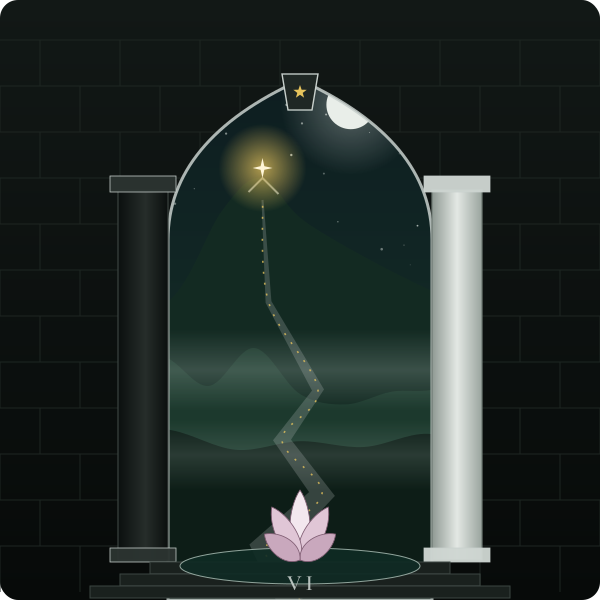
Those who want to calm the mind often begin with the mind itself, and fail. Maestro Cornelio teaches us to begin with the body. The first practice of inner discipline is the simplest and the hardest: keeping still. A motionless posture, held patiently, is the foundation on which every form of recollection rests.
Why the body
Body and mind are not two separate things. An agitated mind produces a restless body that moves, scratches, shifts position; but the reverse is also true: a restless body keeps the mind awake with a thousand small signals. The Master teaches that stilling the body is the most direct way to take away one of the mind's main sources of distraction. It is like closing the windows of a room before lighting a candle.
Comfortable and steady
The traditions of India, from which the word asana, posture, comes, describe the ideal posture with two qualities: it must be steady and comfortable. The Master insists on both. An uncomfortable posture produces pain, and pain distracts; a comfortable but unstable one produces drowsiness or movement. There is no need to cross one's legs in the lotus position: one can sit on a chair, back straight and feet firmly on the floor, hands on the knees. What matters is that the position is chosen with care and then does not change.
A still body is the first threshold of the inner temple.
The exercise
The Studio suggests starting with a few minutes. Choose the position, set a time, five minutes at first, and keep complete stillness until the end, without moving even a finger. Then note in the journal how many times you were tempted to move and how many times you gave in. The Master warns that the first attempts will reveal a body full of small irritations: an itch, a tingling, a tense muscle. They are normal, and they pass. With practice the time can be lengthened little by little.
Without forcing
The Master recommends prudence. Stillness must never become a contest against one's own body: if real pain appears, change position and start again with another. Those with physical problems will choose the most suitable posture, lying down if necessary. The aim is not to prove endurance but to create the conditions for recollection. A painful practice is soon abandoned; a comfortable and regular one lasts.
The body as a temple
The Master loves an ancient image: the body as a temple. A temple is not just any place; it is an ordered, clean, oriented space in which one moves with respect. So is the initiate's body: not an enemy to be tamed, nor a machine to be exploited, but the house in which one's star dwells. Keeping still in a chosen posture is a way of consecrating this house, of making it fit for listening. It is the same spirit in which the Studio says that the true temple is made not of stone but of attention.
The fruit
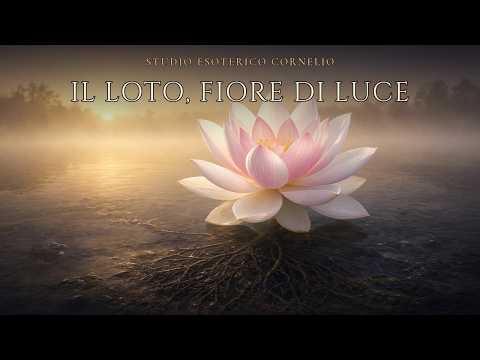
What does motionless posture bring? The Master describes its fruits soberly. After a few weeks of regular practice the body stops protesting, and one discovers that physical silence brings a new calm with it. It is then that the second practice becomes possible, breath, and then the third, concentration. The lotus accompanying this entry recalls that the most beautiful flower opens only on calm water.
Watch the video
Read next
The breath: the rhythm that unites body and mind
After posture, the breath. Maestro Cornelio teaches us to observe and gently regulate the breath, the natural bridge between body and mind.
Concentration: a single thought
Keeping the mind on a single object: the gateway to every meditation. Maestro Cornelio teaches concentration as the art of returning, patiently, every time the mind wanders.
What initiation is: entering into oneself
For Maestro Cornelio, being initiated does not mean joining an organisation or receiving a title, but beginning the path towards one's own centre, where one's true Will dwells.
