
Discipline of the mind
The breath: the rhythm that unites body and mind
After posture, the breath. Maestro Cornelio teaches us to observe and gently regulate the breath, the natural bridge between body and mind.
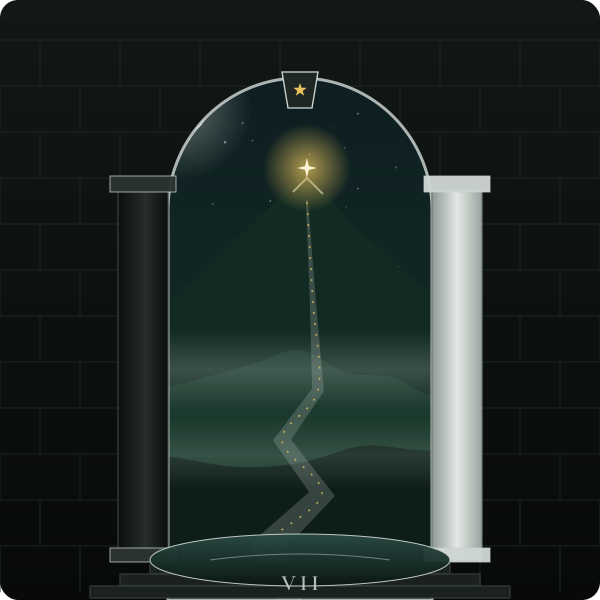
After the motionless body, Maestro Cornelio teaches the second step of inner discipline: the breath. It is the only vital function that happens by itself and that, at the same time, we can guide with the will. This is why the Master calls it the natural bridge between body and mind.
The mirror of the mind
The breath reflects the state of the mind as a pool of water reflects the sky. When we are agitated we breathe quickly and shallowly; when we are calm the breath becomes slow and deep; when we are concentrated we almost forget it. The Master draws a practical teaching from this observation: if the breath follows the mind, the mind can also follow the breath. Calming the breath is the simplest way to calm one's thoughts.
Observe before guiding
The first exercise does not consist in changing the breath, but in observing it. Seated in the motionless posture, bring your attention to the air entering and leaving the nostrils, without altering it. Notice the coolness of the in-breath, the warmth of the out-breath, the short pause between them. The Master teaches that this simple observation already slows the breath by itself, without any effort. It is the first experience of how attention transforms what it observes.
Whoever governs the breath begins to govern their thoughts.
Rhythm
Once observation has become familiar, a rhythm can be introduced. The Studio suggests the simplest: breathe in counting slowly to four, breathe out counting to four, without forced pauses. After a few weeks the out-breath can be lengthened a little, as it is the phase that relaxes most. The Master compares this rhythm to the ticking of an inner clock: the mind, which loves to wander, finds in the counting a regular support.
Prudence
On this point the Master is very careful. The traditions of India developed complex breathing techniques with prolonged retentions; some require an experienced guide and can be harmful if practised alone. The Studio's teaching is limited to gentle practices: no forced retentions, no prolonged rapid breathing, never to the point of discomfort or dizziness. If any unease appears, return at once to natural breathing. Those with health problems should speak to their doctor first. The breath is a bridge, not a test of strength.
The pause
There is one point of the breathing cycle the Master considers especially precious: the natural pause at the end of the out-breath, when the lungs are empty and the body waits, for an instant, for the next breath. In that brief pause the mind stops almost by itself. The Master teaches us to notice it and to dwell in it, without lengthening it artificially. It is there, he says, that one feels for a moment the infinite space the Law speaks of: a small silence in which everything is possible.
During the day
The breath is not practised only when seated. The Master suggests using it as a reminder during the day: three slow breaths before answering a word that has hurt us, before a decision, before entering a room. They take a few seconds, but they are enough to find the centre again. Recorded in the journal, these small reminders show after a few months how much everyday life can change thanks to so simple a gesture.
Towards concentration
A calm and regular breath, the Master teaches, prepares the third step: concentration. The mind that has found the rhythm of the breath is ready to settle on a single object. A still body, a quiet breath, gathered attention: these are the three steps by which one climbs towards inner silence.
Read next
Motionless posture: the body as a temple
The first step of the discipline of the mind is the body. Maestro Cornelio teaches motionless posture as the foundation of recollection: a body that is still, comfortable and upright.
Concentration: a single thought
Keeping the mind on a single object: the gateway to every meditation. Maestro Cornelio teaches concentration as the art of returning, patiently, every time the mind wanders.
What initiation is: entering into oneself
For Maestro Cornelio, being initiated does not mean joining an organisation or receiving a title, but beginning the path towards one's own centre, where one's true Will dwells.
